Your Cart is Empty
Free Shipping on all U.S. Orders over $59 Use Code: SHIP59(Only one code per order)
Free Shipping on all U.S. Orders over $59 Use Code: SHIP59(Only one code per order)

$ 12.94
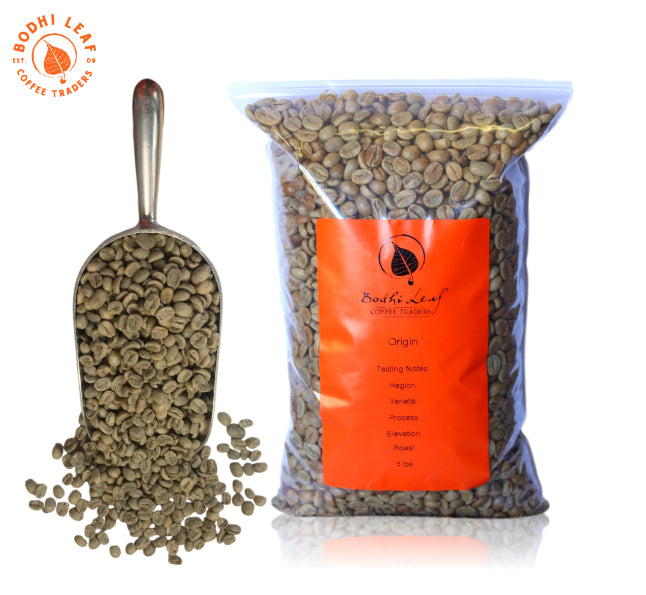
Country: Burundi
Region: Kayanza
Varietal: Red Bourbon
Process: Washed
Altitude: 1,600 - 1,900 MASL
Cupping Notes: Hibiscus, Black Tea, Plum
Recommended Roast:City to Full City
Good For: Auto Drip, Pour Over, Espresso
Description: Despite the ubiquity of coffee growing in Burundi, each smallholder producers a relatively small harvest. The average smallholder has approximately 250 trees, normally in their backyards. Each tree yields an average of 1.5 kilos of cherry so the average producer sells about 200-300 kilos of cherry annually. In order to encourage farmers to renovate their farms, our export partner purchases seeds from the Institut des Sciences Agronomiques du Burundi (ISABU), establishes nurseries, and sells the seedlings to farmers at or below cost. On top of this, producers are able to deliver cherries directly to washing stations or to collection sites which are situated to save producers in travel time and costs.
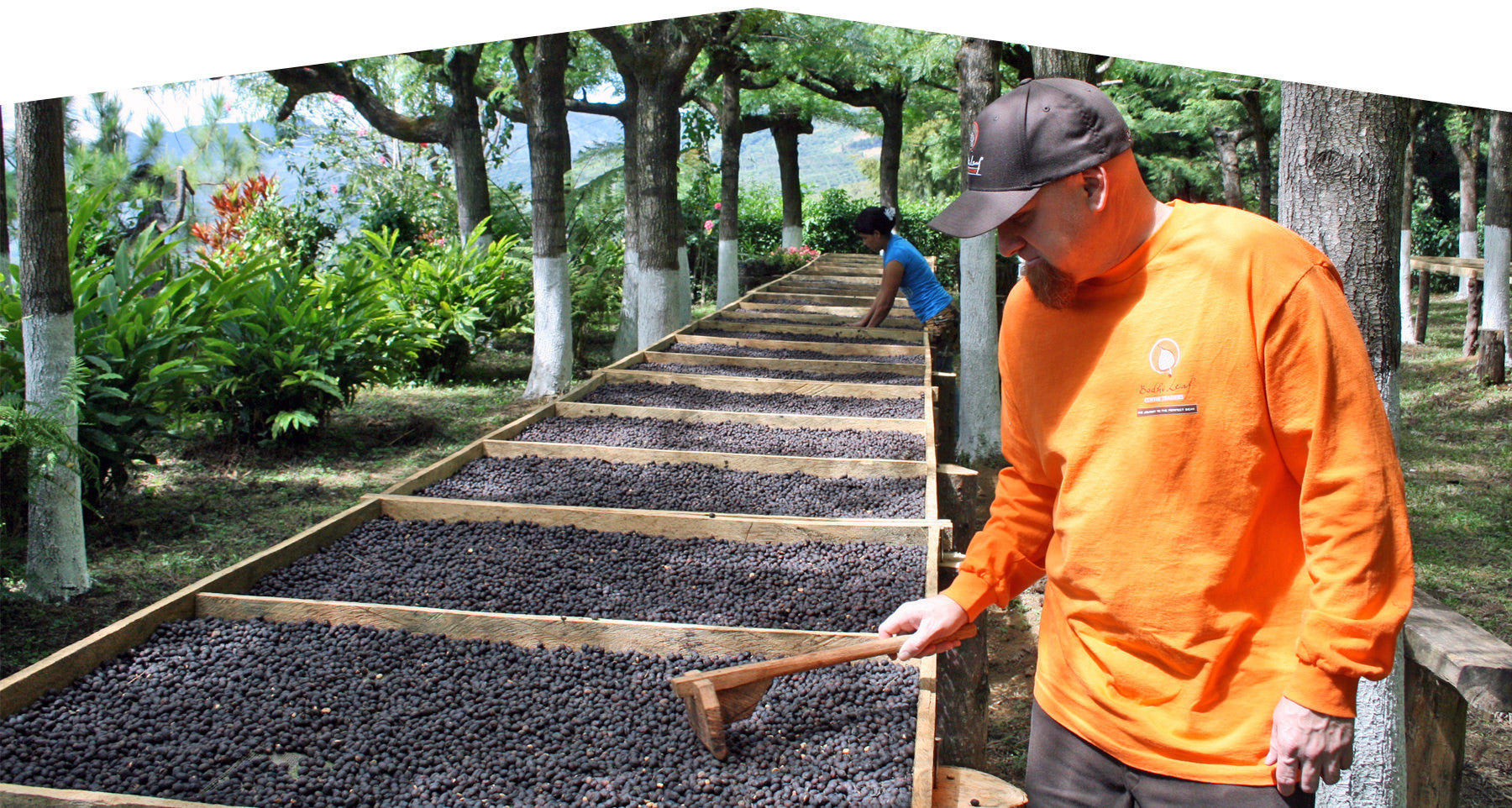
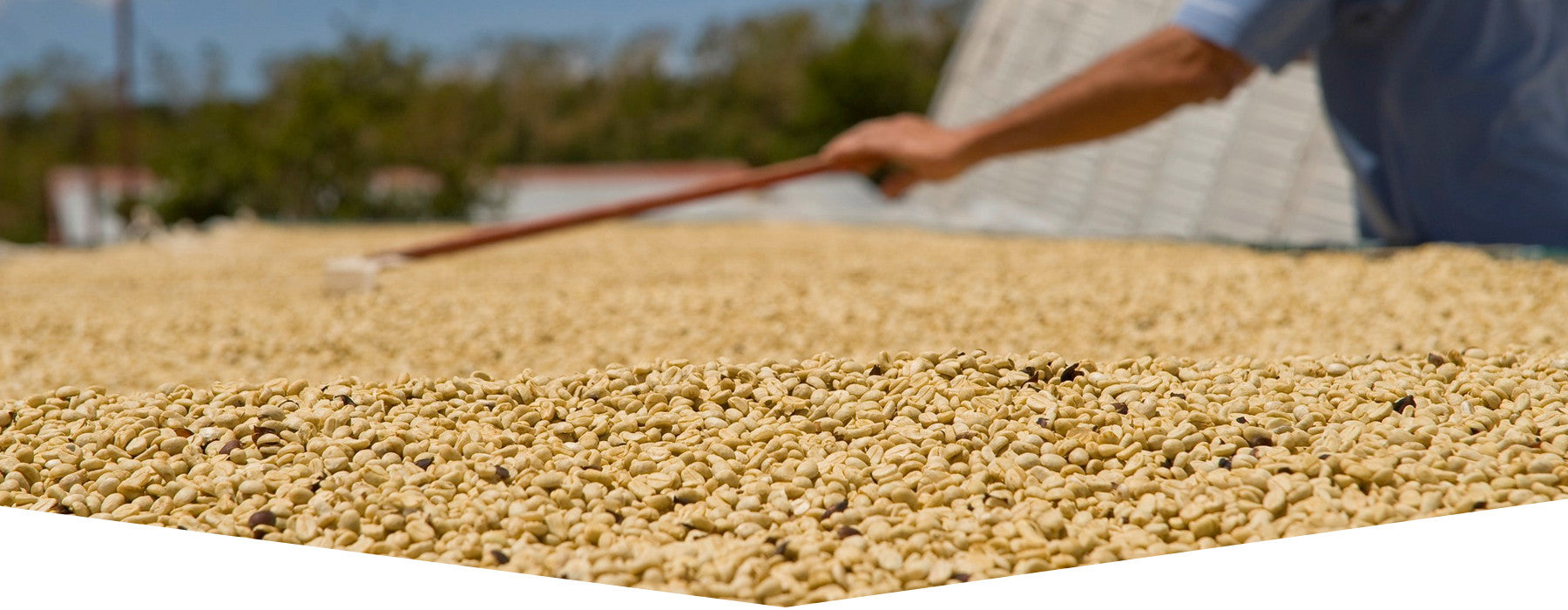
After receiving cherry and sorting, cherry is pulped within 6 hours of delivery. The machine can process up to 3 tons of cherries per hour. During pulping, cherry is separated by density on a Mackinon 3-disc pulper outfitted with an additional separation disk. The coffee is then fermented in water from a nearby stream for 10-12 hours, depending on ambient temperature. A small sign on the fermentation tank keeps track of each lot. The sign logs the date of cherry purchase, grade of the bean and the time when fermentation began. Trained agronomists check the beans by hand regularly to ensure fermentation is halted at the perfect time. The station workers trample the parchment for 30 minutes in the fermentation tank. This trampling process helps to remove mucilage on the fermented parchment. After this, the parchment is given fresh water to move it into the washing-grading canal, where it is washed. After fermentation is completed, coffee is run through washing and grading canals. As the beans flow through, wooden bars that are laid across the canal prevent beans of specific densities from passing through. These bars are spaced across the channel. While the first blockade stops the most-dense beans, the next is arranged to stop the second most-dense beans and so on. In total, the channel separates beans into seven grades according to density. After washing, this parchment is poured onto wooden trays or nylon bags and carried to the drying tables, each in its separate quality group. Each tray and nylon bag of parchment keeps its traceability tag with all info. The beans are then transported to the drying tables where they will dry slowly for 2-3 weeks. Pickers go over the drying beans for damaged or defective beans that may have been missed in previous quality checks. Usually, each table holds 800kg of parchment. In the peak of the season, the maximum load for a table is 1000kg. Each table has a traceability tag with the lot info. The parchment is left to dry from sunrise to sunset and is covered with a sheet during the evening or when it rains. During this time, parchment is turned regularly. The moisture level is carefully monitored and any parchment with visual defects is removed.
At this point the coffee is ready for final milling to remove parchment, and then prepped for export, along with final quality testing in the cupping lab.

This is our journey to the