Your Cart is Empty
Free Shipping on all U.S. Orders over $59 Use Code: SHIP59(Only one code per order)
Free Shipping on all U.S. Orders over $59 Use Code: SHIP59(Only one code per order)


$ 9.56
Asproguate has members spread across Atitlán, Acatenango, and San Martín Jilotepeque. This lot comes from the San Martín group, in the Chimaltenango department west of Guatemala City. Roughly 90% of members belong to the Cakchiquel and Tzutujil Maya communities, and 85% rely entirely on agriculture for their income. Fifty-five percent of producer members are women.
Ninety-five percent of Asproguate's members are organic certified, so most of the association's agronomy work goes toward organic techniques. Members attend monthly workshops on making their own organic fertilizers, fungicides, and insecticides on-farm, which cuts input costs and keeps the certification practical for smallholders who can't absorb the price of commercial organic inputs. Training also covers erosion control and shade management, both of which matter on the steep, volcanic hillsides around San Martín.
Caturra and Catuaí are the workhorses of Central American washed coffee for good reason. Caturra is a natural dwarf mutation of Bourbon, discovered in Brazil, and carries much of Bourbon's sweetness and clean acidity in a more compact, productive plant. Catuaí is a Mundo Novo × Caturra cross bred in Brazil in the mid-20th century — short-statured, hardy, and heavy-yielding.
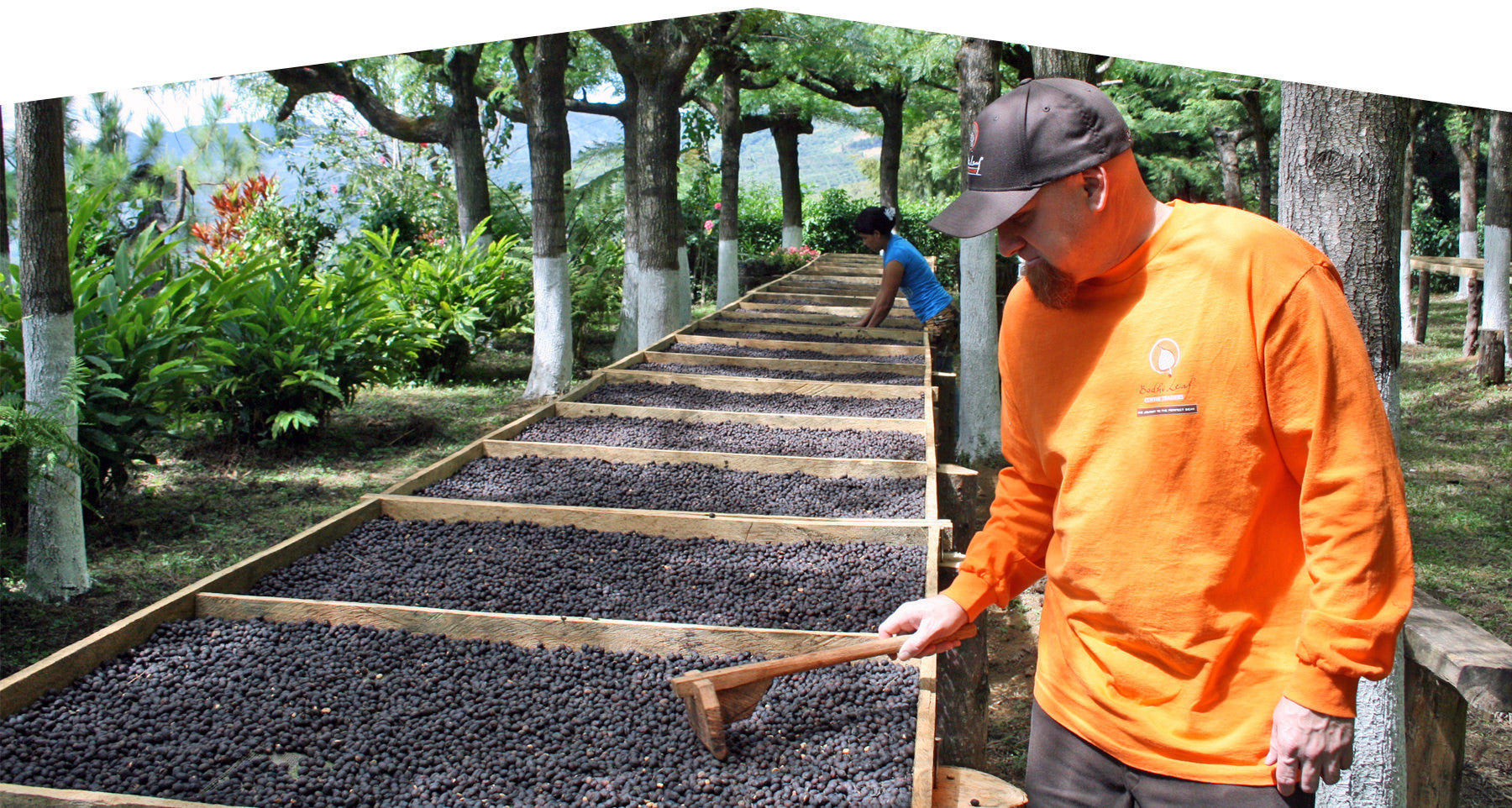
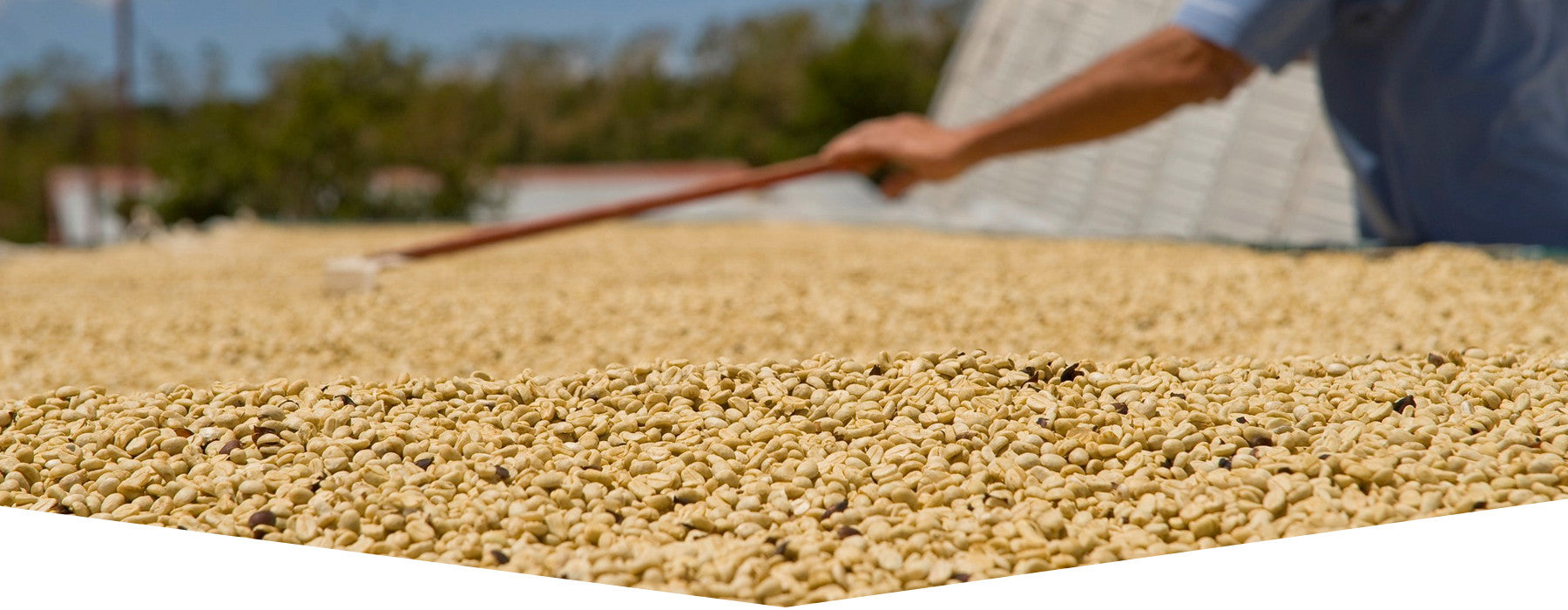
This lot was fully washed, wherein the cherry was depulped, fermented to break down the mucilage, washed clean, and then dried. The washed process here does what it's supposed to — it keeps the cup clean and transparent so the varietal sweetness and the region's sweet and dried fruit character come through.

This is our journey to the